
How best to learn a traditional tune
General Tips on how Best to Learn Traditional Irish Music
By Caitlín Nic Gabhann
These tips are designed to help people learning to play traditional Irish music, but I'd argue they can be applied to any music (Mardles editor)
Listen to Irish traditional music
Listen as much as you can to Irish traditional music; in the car, while you’re walking, at home … I can’t stress this enough. This is a vital part of learning and understanding traditional Irish music. You need to be able to feel it; the swing, the phrasing, the flow, the style. None of these can be notated properly. So listen as much as you can. Listen to Irish trad music CDs, vinyls, downloads, online archives, whatever you enjoy listening to. Listen to a variety of instruments and styles and from different eras of traditional Irish music if you can. Listen to Irish trad & folk music from 50 years ago. Who did your musical idols learn from? Who did they listen to growing up? Find recordings of these people and listen to them. Go back to the source. Listen to a variety of traditional Irish instruments. Growing up, I listened to Irish concertina recordings, but I probably listened more to accordion, flute and fiddle CDs. The more the music gets into your head, the better the music will be that comes out through your fingers. This music is for feeling, not for reading from a page. The more you have this music in your head and your heart, the more it will naturally flow out.
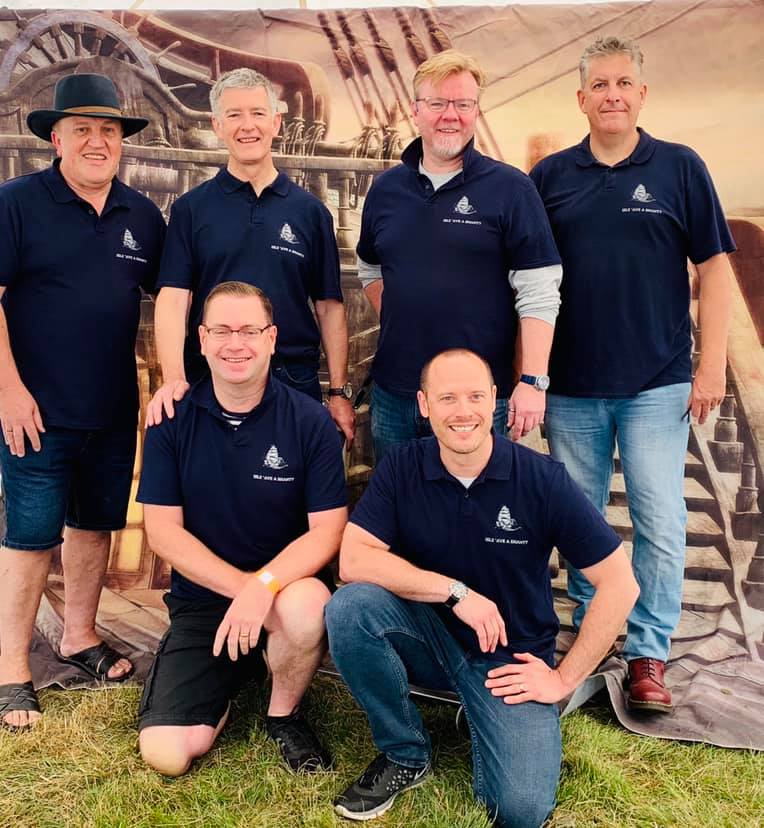 Isle ‘Ave A Shanty are a 6-piece A Capella male harmony group based on the Isle of Ely. They specialise in traditional songs from the sea and the country in a folk style as well as putting a folk twist on some modern classics! They are a rarity in being a sea shanty band from a landlocked county but they bring their own style to traditional songs and songs they made up themselves.